
Maximize Efficiency: Eco-Friendly Solutions in Water Bore Drilling

Water is essential for life, and access to clean water is a fundamental need for communities around the world. As populations grow and climate change impacts water availability, the demand for efficient water sourcing methods increases. One effective solution is water bore drilling. However, traditional drilling methods can have significant environmental impacts. In this blog post, we will explore eco-friendly solutions in water bore drilling that maximize efficiency while minimizing harm to our planet.
Understanding Water Bore Drilling
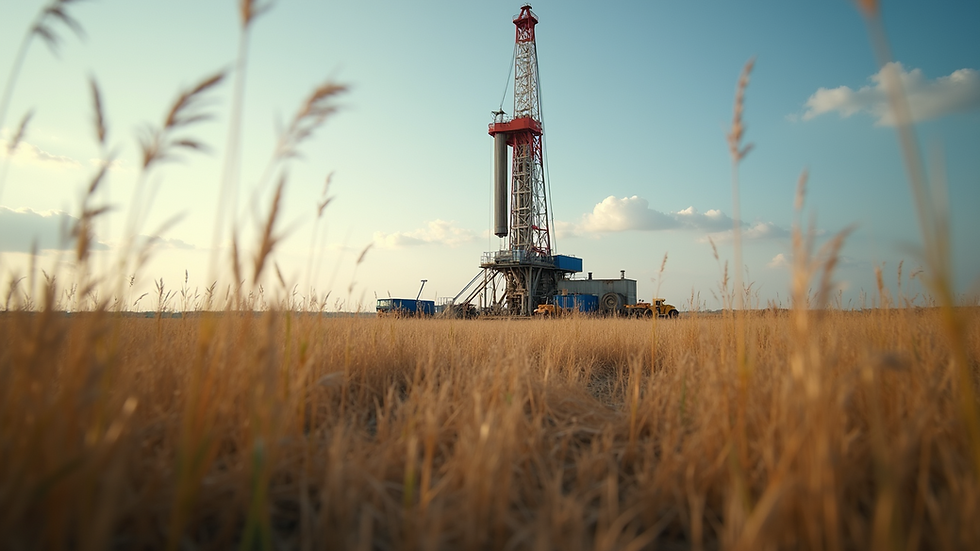
Water bore drilling involves creating a hole in the ground to access underground water sources. This method is commonly used in agriculture, residential areas, and industrial applications. The process typically requires heavy machinery and can lead to soil disruption, water contamination, and habitat destruction.
The Importance of Eco-Friendly Practices
As the world becomes more aware of environmental issues, the need for sustainable practices in all industries, including water bore drilling, is crucial. Eco-friendly solutions not only protect the environment but also enhance the efficiency of drilling operations. By adopting these practices, companies can reduce their carbon footprint and contribute to a healthier planet.
Innovative Eco-Friendly Techniques
1. Use of Biodegradable Drilling Fluids
Traditional drilling fluids often contain harmful chemicals that can contaminate groundwater. Switching to biodegradable drilling fluids can significantly reduce environmental risks. These fluids are made from natural materials and break down easily, minimizing the impact on surrounding ecosystems.
2. Solar-Powered Drilling Equipment
Harnessing solar energy for drilling operations is an innovative way to reduce reliance on fossil fuels. Solar-powered drilling rigs can operate without emitting greenhouse gases. This not only lowers operational costs but also promotes a cleaner environment.
3. Advanced Drilling Technologies
Modern drilling technologies, such as rotary drilling and sonic drilling, are more efficient than traditional methods. These techniques require less water and energy, reducing the overall environmental impact. Additionally, they can reach deeper water sources with minimal surface disruption.
4. Water Recycling Systems
Implementing water recycling systems during the drilling process can conserve water and reduce waste. By reusing water, companies can minimize their water consumption and lessen the strain on local water resources. This practice is especially beneficial in arid regions where water is scarce.
5. Environmental Impact Assessments
Before starting any drilling project, conducting an environmental impact assessment (EIA) is essential. An EIA helps identify potential environmental risks and allows companies to develop strategies to mitigate them. This proactive approach ensures that drilling operations are conducted responsibly.
Case Studies of Eco-Friendly Water Bore Drilling
Case Study 1: Solar-Powered Drilling in Australia
In Australia, a company implemented solar-powered drilling rigs for their water bore projects. This initiative not only reduced their carbon emissions but also lowered operational costs. The success of this project has inspired other companies to explore renewable energy options in their drilling operations.
Case Study 2: Biodegradable Fluids in Agriculture
A farming cooperative in California switched to biodegradable drilling fluids for their water bore drilling. This change resulted in cleaner water sources and improved soil health. The cooperative reported increased crop yields and a stronger commitment to sustainable farming practices.
Benefits of Eco-Friendly Solutions
1. Cost Savings
While eco-friendly solutions may require an initial investment, they often lead to long-term cost savings. For example, solar-powered equipment reduces fuel costs, and water recycling systems lower water expenses.
2. Enhanced Community Relations
Communities are increasingly concerned about environmental issues. By adopting eco-friendly practices, drilling companies can build trust and improve their relationships with local residents. This can lead to smoother project approvals and increased support from the community.
3. Regulatory Compliance
Many regions have strict regulations regarding environmental protection. By implementing eco-friendly solutions, companies can ensure compliance with these regulations, avoiding potential fines and legal issues.
Challenges in Implementing Eco-Friendly Practices
1. Initial Costs
The transition to eco-friendly solutions may involve higher upfront costs. Companies must weigh these costs against the long-term benefits to make informed decisions.
2. Training and Education
Implementing new technologies and practices requires training for staff. Companies must invest in education to ensure that employees understand and can effectively use eco-friendly methods.
3. Resistance to Change
Some companies may be hesitant to change traditional practices. Overcoming this resistance requires strong leadership and a commitment to sustainability.
The Future of Water Bore Drilling
As the demand for clean water continues to rise, the water bore drilling industry must adapt. Embracing eco-friendly solutions is not just a trend; it is a necessity for the future. Companies that prioritize sustainability will not only benefit the environment but also position themselves as leaders in the industry.
Conclusion: A Sustainable Path Forward
The journey toward eco-friendly water bore drilling is filled with challenges, but the rewards are significant. By adopting innovative techniques and prioritizing sustainability, we can ensure that future generations have access to clean water. It is time for the industry to embrace these changes and work together for a healthier planet.


Comments